
The Characters · Sylvie Dubois
The woman who came back from somewhere.
Before the camp, before Joseph, there was Guatemala. Sylvie came home to help - and never quite landed. This is the part of the story told in the quiet, after the news stops.
The volunteer
Sylvie Dubois, the witness who came home
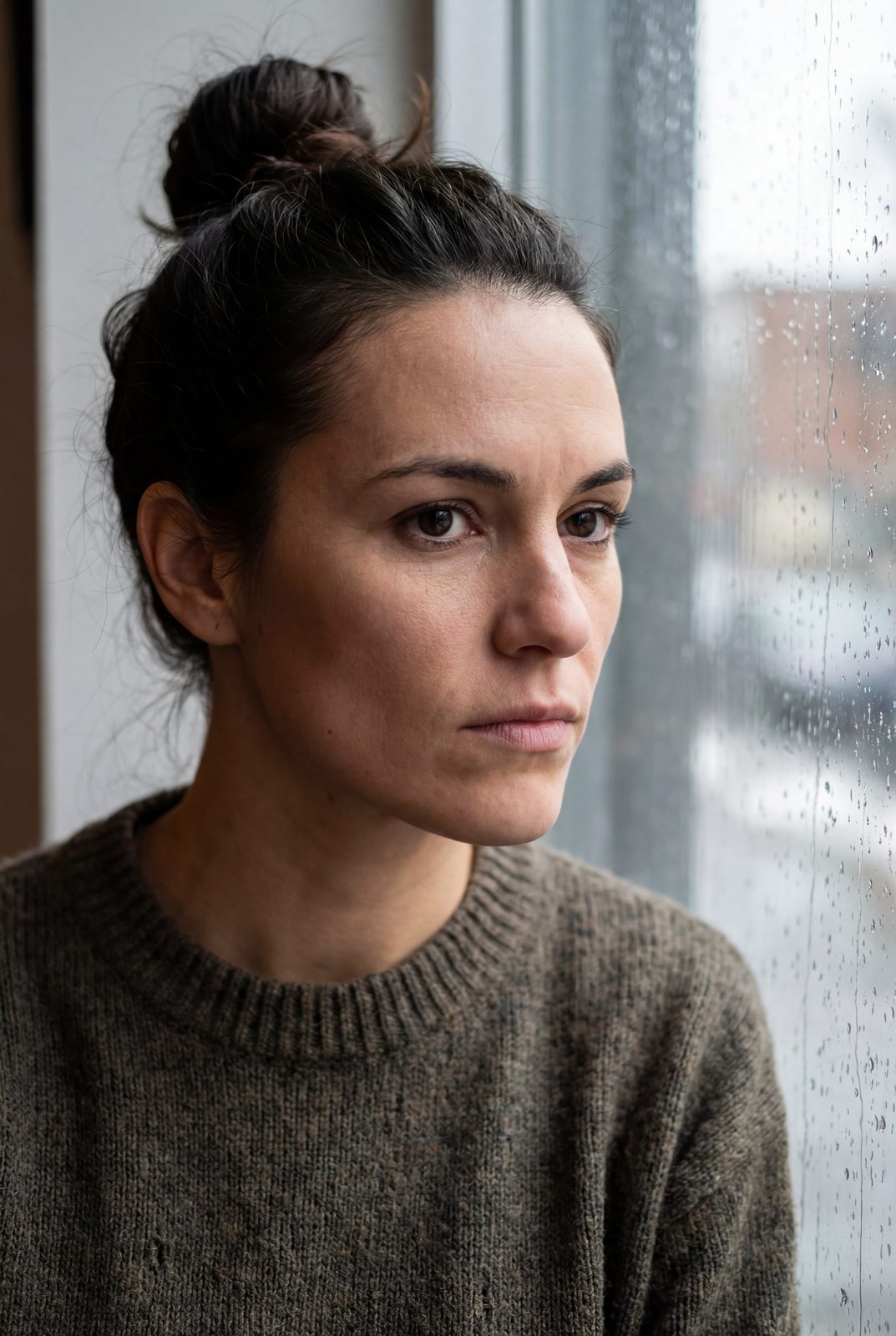
Sylvie is 29, born and raised in Montreal, and she has seen what a border does to a person - from the other side. She volunteered in Guatemala, came back shattered, and now gives her time at the same refugee camp where Joseph fights to be seen. She tells herself she’s there to help. The film asks what she’s really looking for.
She is sharp, careful, and tired in a way she won’t name. The system reads her as a helper. Joseph reads her as something else. The distance between those two readings is exactly where the story turns.
Ten things about Sylvie you won’t hear in the debrief
The reports are clean. The person isn’t. Ten small rituals that make her real - and the things she won’t say out loud.
-
01
How she starts the day
She makes coffee, opens her laptop to check the news, then closes it before reading a word. She tells herself she’ll begin later, after one more minute of silence. The silence usually wins.
-
02
The one luxury she allows
A flat white, oat milk, no sugar. She knows it costs more than a day’s wage where she used to work. She orders it anyway, and thinks about the difference every single time. She hasn’t stopped.
-
03
The meal she won’t make
Tortillas de maíz - the ones the women in the village made by hand each morning. She learned to pat them into shape, to get the heat right, not to burn her fingers. She hasn’t made one since she left.
-
04
What she reads when no one’s watching
Crime novels. The cynical detective, the messy ending. She can’t say why - maybe because in fiction the truth comes out, even when it’s ugly. Especially then.
-
05
The power she wishes for
To know, instantly, whether someone is lying. Not for interrogations - for dinner parties, for her mother’s phone calls, for the mirror.
-
06
What she does at 3 a.m.
She cleans. The apartment is already spotless, but she wipes the counters, lines her books up by colour, folds the same shirt twice. It’s the only thing she can still control at 3 a.m.
-
07
What she carries
A worn leather journal with a broken spine. She doesn’t write in it anymore; in Guatemala it held patient notes, observations, the names of people she met. Now it’s just weight. She can’t leave it behind.
-
08
The habit she can’t shake
Looking at her watch at 4:47. No alarm. Her body knows. Every day, for a moment, she stops - and the room goes quiet around her.
-
09
The sound that brings her home
The hum of a refrigerator. The sound of electricity, of food, of a life that isn’t precarious. She falls asleep to it when the apartment gets too quiet to bear.
-
10
The name she’d give a dog
Mateo. She’d never do it - too strange - but if she had a dog, she’d call it that, just so she could say the name out loud once a day.
She came home to help. She never quite landed.
THE CROSSING · character note
Souvenirs
Three photographs from her past that she keeps preciously. A ridge above the village, a child waking in lamplight, a page written by hand. The film remembers what the file forgets.
-

A ridge above the village. -
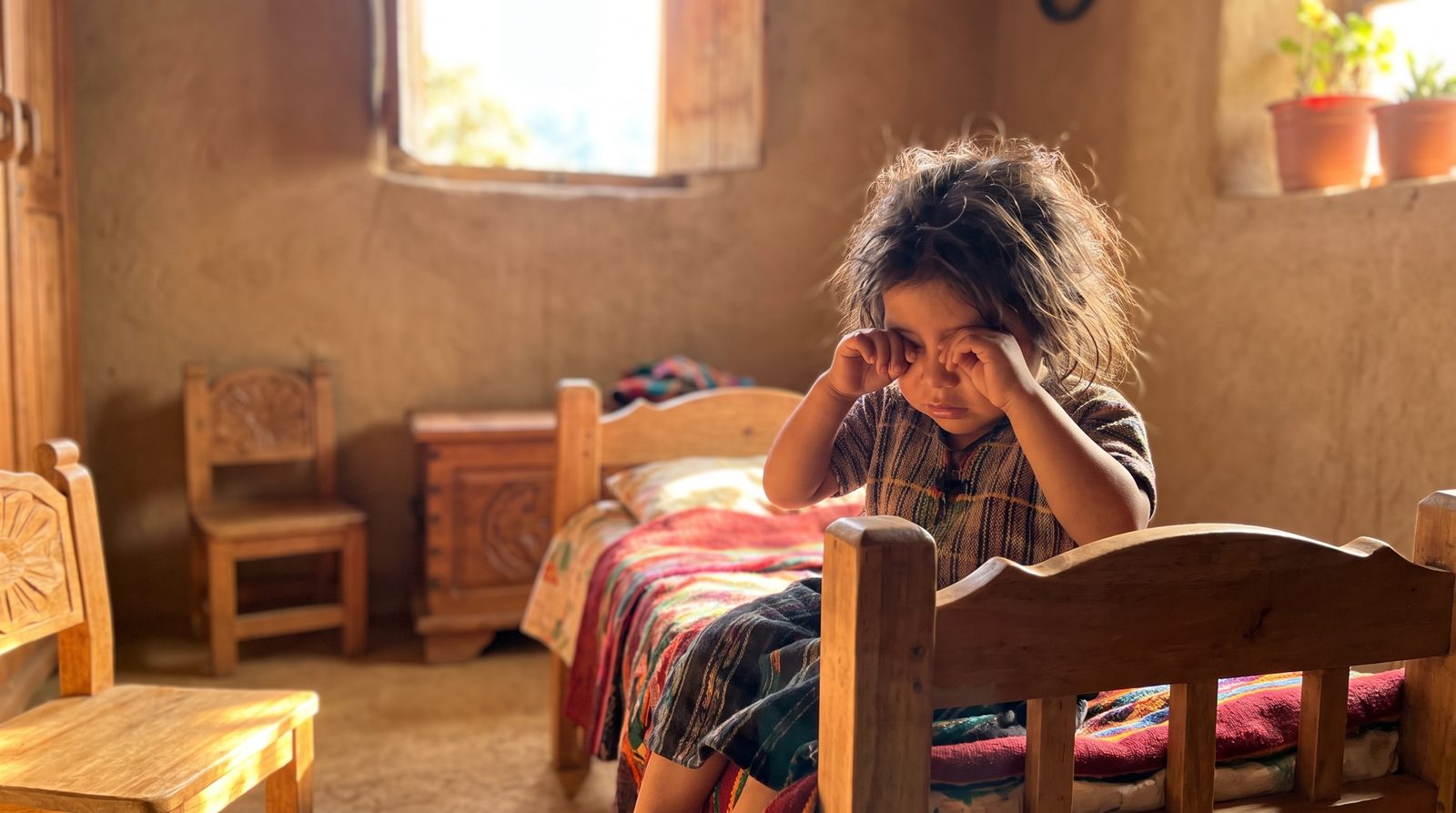
A child waking in lamplight. -
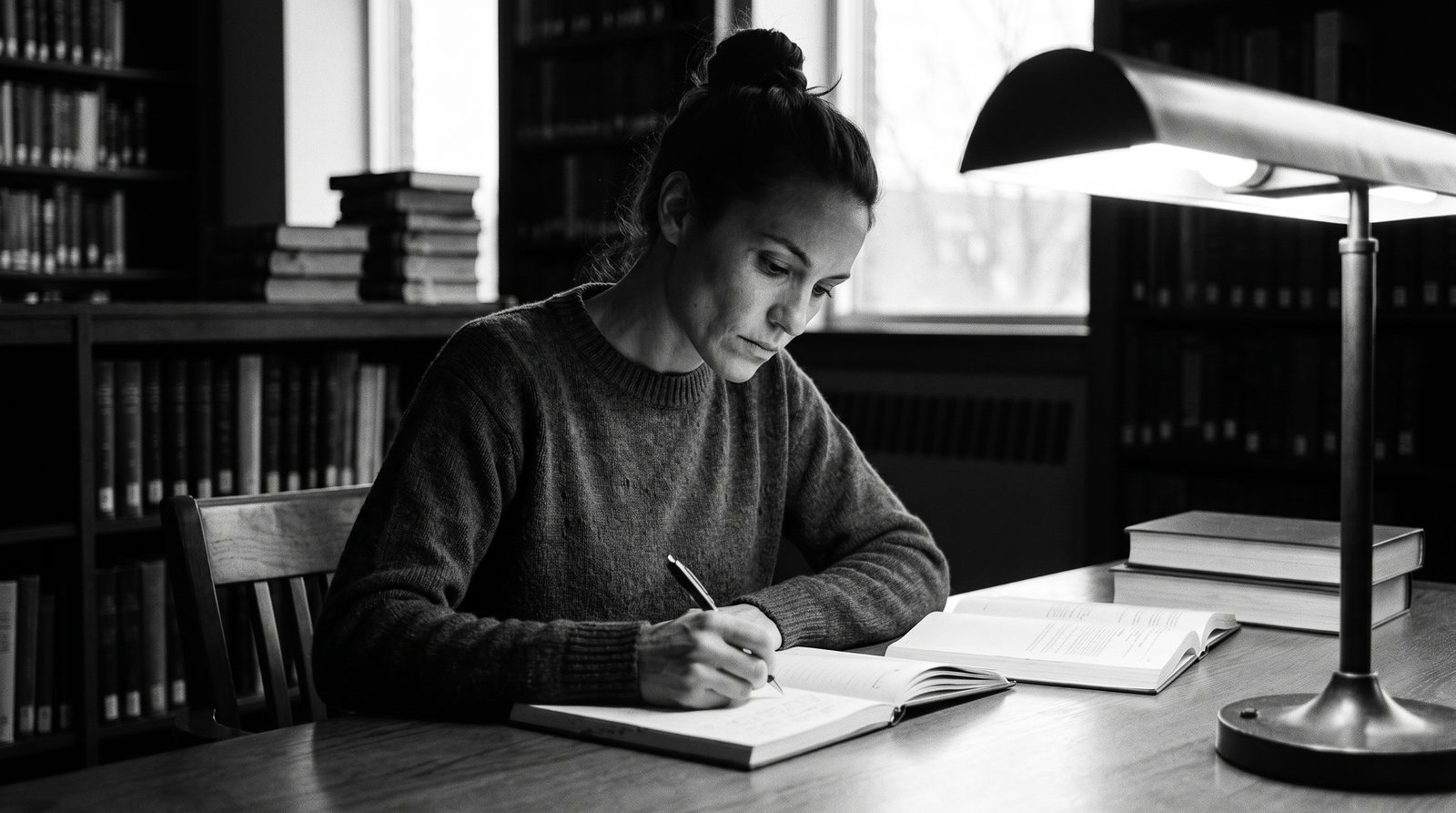
A page written by hand.
Voices from the cold
The sonic portrait of every soul in the story. Sylvie’s silence has a score - five songs she plays when the apartment is too quiet.
- 01HurtJohnny Cash
- 02The Sound of SilenceDisturbed
- 03Gracias a la VidaVioleta Parra
- 04Folsom Prison BluesJohnny Cash
- 05BreatheAnna Nalick